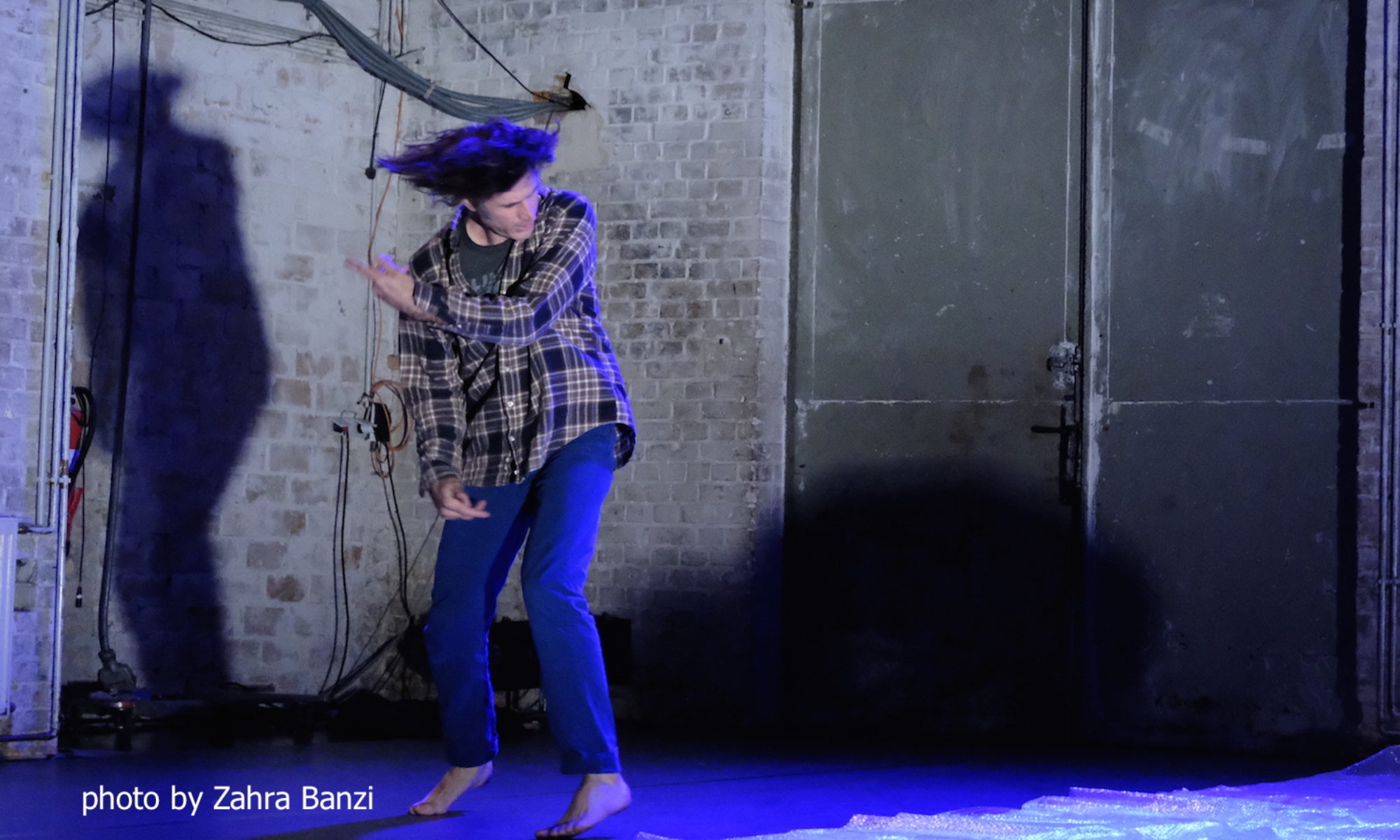
On March 14th, 2026, I did another version of a piece I am working on about the relationship between Art and Craft. The first version I did in Marfa last summer, but the video has been lost to the sands of time.
here is a link to the video of the performance at marameo in Berlin
Below is the text from the performance. Please feel free to leave any comments about your thoughts about Art and Craft.
Art / Craft
Ceramicist Paul Mathieu says:
Marcel Duchamp showed us that any object can be art. Joseph Beuys expanded this — any activity can be art.
Breathing. Walking. Talking to a dead hare.
If anything can be art, there is always art in craft. But not always craft in art. If every thing can be art, not every thing can be craft.
Mathieu proposes that
Craft requires skill. Material specificity.
Clay. Wood. Fibre. Glass.
The loom. The lathe. The kiln.
Mathieu speaks of a “conceptual constant” in craft
A seamless continuity across time.
A bowl —
no matter when, how, by whom —
is conceptually the same, a bowl.
Craft endures.
Craft stabilizes.
Cognitive scientist Margaret Boden says:
Craft must be functional. Fine art need not be functional — perhaps even should not be functional
Craft follows the “right” methods. Traditional skills. Recognizable forms.
Artists, on the other hand, set their own standards.
Boden proposes
Art thrives on novelty.
On surprise.
Craft perfects skill.
Art explores ideas.
Craft is anonymous mastery.
Art seeks the limelight.
Craft belongs to daily life.
To eating. Drinking. Cooking.
Keeping warm.
Craft, Boden writes, exploits the possibilities of the body —
and sometimes even reveals them more clearlythan fine art does. (Does this mean that dance is craft, not art?)
There is also a specious division of art and craft in relation to gender. Crafts are often associated with one gender and arts the other. Objects that, to quote Howard Risatti, professor emeritus of art history at Virginia Commonwealth University, are covers, containers, or supports. Think of weaving and painting. Think of Annie Albers and Joseph Albers. Both worked at the Bauhaus in Weimar, both at Black Mountain College, both worked at Yale University. Her medium was mostly weaving. His mostly painting. Yet, which is more well known? The painter or the weaver? How would their trajectories through life been different if the man were the weaver and the woman the painter?
Boden and Mathieu are speaking about substances. About clay and canvas.
About hand and machine.
About use and uselessness.
About object categories.
Risatti about intentions, about covering, containing, and supporting.
I say that art and craft are not tied to materials, intentions, functions, or gender. But rather art and craft are processes themselves that can be applied to anything. That every thing, every thing that is considered art or craft has simultaneously art-ness and craft-ness. Some have a little more art-ness, some have a little more craft-ness. And the amount of art and craft in each object can change through time, as aesthetics and values evolve.
Art and Craft are different orientations toward precedent and change.
Every object, every phenomenon has potentially both precedent and change
Art searches for possibility.
Craft valorizes certain possibilities.
Art asks: What if?
Craft states: What is.
Art shifts.
Craft reaches.
Art exceeds precedent.
Craft works within precedent.
Art shifts the frame.
Craft frames the shift.
Art risks failure.
Craft aims for success.
Art is variation.
Craft is theme.
Art is a open field.
Craft is a closed category.
Art is non-hierarchical.
Craft exists because of hierarchy.
Craft gathers and preserves. Art disperses and transforms.
Without craft, nothing continues.
Without art, nothing changes.
Of this performance Margaret Boden might ask:
Is it functional? Does it serve a practical purpose? Does it employ the “right” methods? Does it demonstrate skill perfected through repetition? Is it anchored in tradition? Does it belong to daily life? Does it exploit the possibilities of the body — and make them perceptible?
Or does it set its own aesthetic standards? Does it seek novelty? Does it exceed precedent? (Do you know what precedent this performance has?) Is it anonymous mastery — or does it aim for the individual voice?
Of this performance Paul Mathieu might ask:
Could this simply be art — because anything can be art?
If any object or activity can be art, is this performance art by declaration alone? And if so — where is its craft? Is there medium specificity? What medium is this? A devotion to material? To technique? To skill? Is there a conceptual constant?
What is the continuity that ties this act
to all the others that came before it? Or does this act sever continuity in the name of transformation?
Of this performance I ask:
Where is it searching for possibility? And where is it stabilizing certain possibilities?
Where is it working within precedent? And where is it exceeding precedent?
Where is the repetition
And where is it the variation — the shift of the frame itself?
Where does it risk failure?
Where does it aim at success?
Because perhaps the question is not whether this is art or craft. But how art and craft are inhabiting it, giving rise to it through their tension, the oscillation
Art and craft
are always already present.
Not in the material.
Not in the function.
Not in the hand or the machine.
But in the relationship
between what has been
and what could be.
What will be.
And that relationship
is always shifting.